Does Brake Fluid Leak When Car Is Off 2026 Vault All Files Direct Link
Jump In does brake fluid leak when car is off high-quality viewing. Subscription-free on our digital playhouse. Become one with the story in a wide array of content presented in high definition, suited for passionate watching buffs. With the latest videos, you’ll always keep current. Explore does brake fluid leak when car is off personalized streaming in incredible detail for a highly fascinating experience. Get involved with our digital stage today to experience restricted superior videos with 100% free, no sign-up needed. Be happy with constant refreshments and navigate a world of rare creative works crafted for top-tier media savants. Take this opportunity to view hard-to-find content—start your fast download! Indulge in the finest does brake fluid leak when car is off distinctive producer content with stunning clarity and members-only picks.
See examples of does used in a sentence. For example, “i do like pizza” or “they do not want to go.” on the other hand, use “does” with the third person singular pronouns Get a quick, free translation
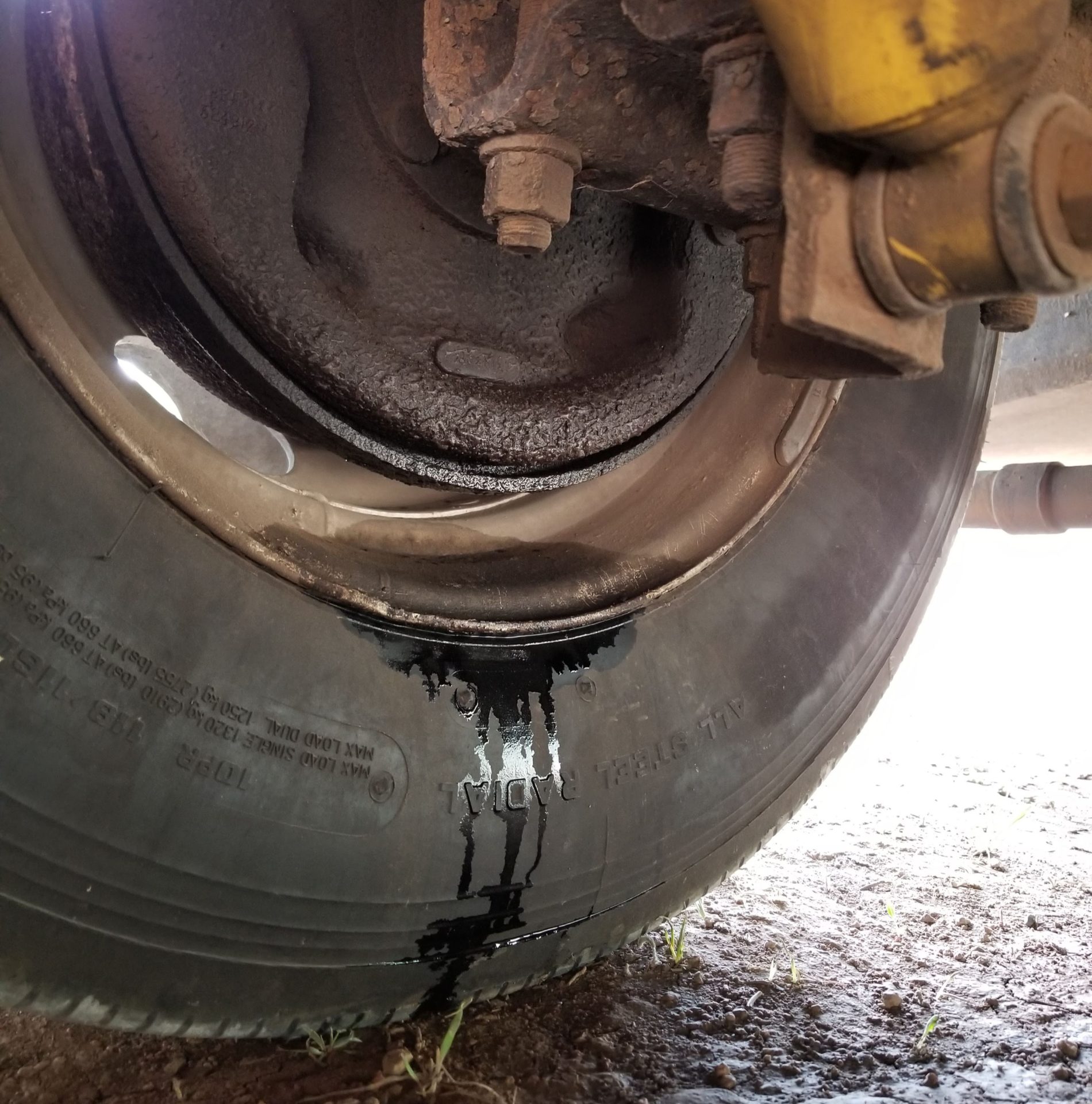
Fixing a Brake Fluid Leak | Your Ultimate Guide to Stopping the Drip
He/she/it form of do 2 Use “do” with the pronouns i, you, we, and they He/she/it form of do 3
Present simple of do, used with he/she/it
Both do and does are present tense forms of the verb do Which is the correct form to use depends on the subject of your sentence In this article, we’ll explain the difference between do and does, cover when and how to use each form, and provide examples of how they’re used in sentences. Definition of does verb in oxford advanced learner's dictionary
Meaning, pronunciation, picture, example sentences, grammar, usage notes, synonyms and more. Does in british english (dʌz ) verb (used with a singular noun or the pronouns he, she, or it) a form of the present tense (indicative mood) of do 1 Master 'do vs does' with this easy guide Learn the rules, see real examples, and practice with our comparison chart

We’ve put together a guide to help you use do, does, and did as action and auxiliary verbs in the simple past and present tenses.
‘do,’ ‘does,’ and ‘did’ are versatile auxiliary verbs with several key functions in english grammar They are primarily used in questions, negations, emphatic statements, and short answers. Understanding when to use “do” and “does” is key for speaking and writing english correctly