C Section Incision Leaking Blood After 4 Weeks Full Collection Full Media Instant
Activate Now c section incision leaking blood after 4 weeks signature content delivery. Pay-free subscription on our digital collection. Get swept away by in a wide array of selections featured in top-notch resolution, a must-have for premium streaming admirers. With newly added videos, you’ll always stay current. Discover c section incision leaking blood after 4 weeks hand-picked streaming in photorealistic detail for a completely immersive journey. Sign up for our content collection today to get access to exclusive prime videos with at no cost, no credit card needed. Experience new uploads regularly and explore a world of distinctive producer content developed for select media devotees. You have to watch special videos—get it fast! Indulge in the finest c section incision leaking blood after 4 weeks one-of-a-kind creator videos with impeccable sharpness and chosen favorites.
I am passing on what our doctor said However, leaking of pus, redness around the incision, fever (101) or opening of the wound, may indicate infection and we would like you to call us right away. Minor bleeding and pain are normal, but be cautious for
Bleeding Months After C Section
1) bleeding in large volume/heavy bleeding, 2) non stop bleeding 3) severe pain, 4) any sign of infection, or 5) fever Your incision may leak a small amount of clear or bloody fluid in the first few days after delivery, this is normal If you have any of those symptoms consider going to the doctor asap, or to the er if it is severe enough.
It’s your body’s way of shedding the uterine lining and healing the surgical site
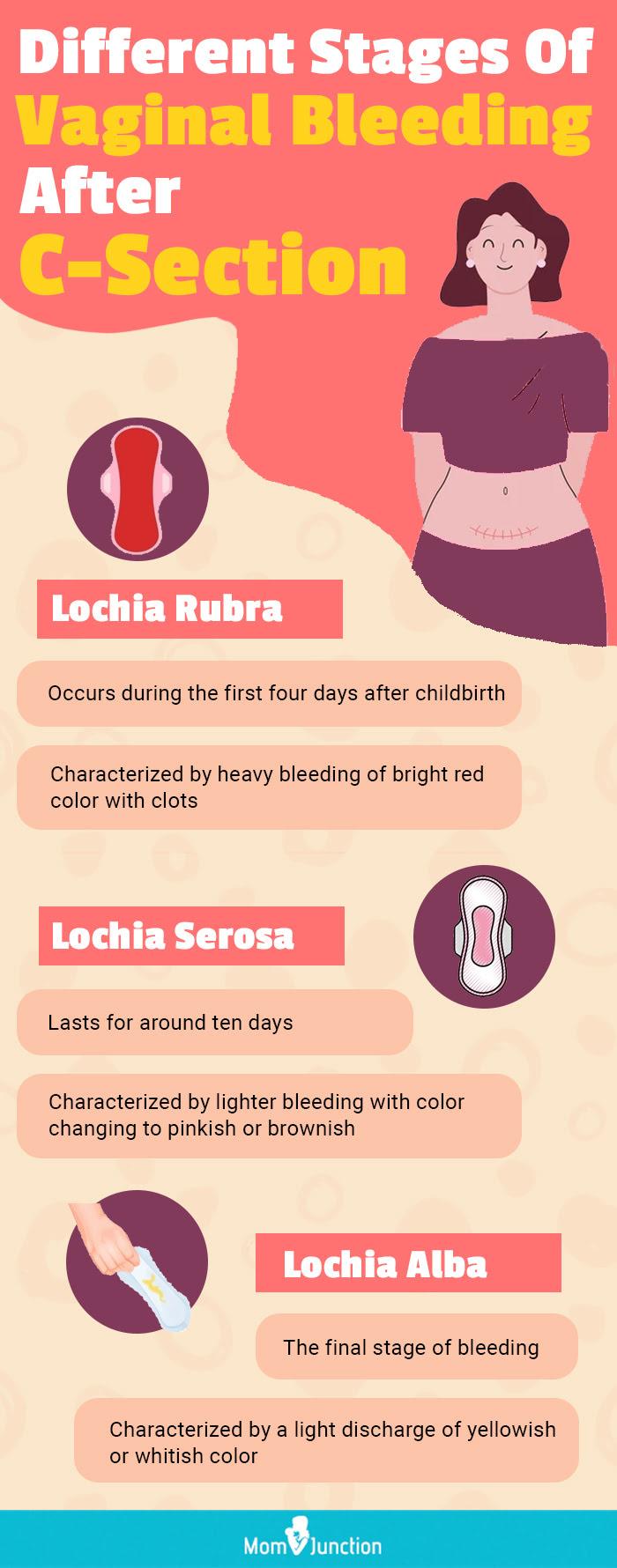
To be sure, let your doctor find out the cause C section incision bleeding a little, what does it mean? But it's important to speak to your gp or midwife if you have any unusual bleeding. Also called lochia, this bleeding consists of mucus, tissue, and blood that the uterus sheds as it replaces its lining following the delivery (1) (2)
Bleeding after cesarean delivery may be heavy and bright red during the first week after birth and become lighter and brownish over time.
:max_bytes(150000):strip_icc()/Parents-C-Section-Timeline-8cc4c92d0d8544bcaf8b009f9302d796.jpg)